The First Founders Decks Are Coming Soon -- Don't Miss Your Spot!
Learning Gamified: How Purposeful Play Paves the Highway to Reading Automaticity
INSIDE THE FORGE
3 min read
Knowing Letter Sounds Isn’t Always Enough for Reading
Here’s something that often surprises parents: A child can know their letter sounds and still find reading difficult. This is an important distinction because knowing a sound and being able to use it quickly are two very different things.
Reading isn't just about knowledge. It's about speed of access.
If a child has to stop and think every time they see a letter, what sound does that make again?, the brain gets bogged down. When all that energy goes toward figuring out sounds, there's almost nothing left for the part that actually matters: understanding what they just read.
The Brain Has a Budget
Think of a child's brain like a wallet with a limited amount of cash.
Every task costs something. Sounding out a letter? That costs. Blending sounds together? That costs too. Figuring out what comes next? Yep, you guessed it. More spending.
If a child is burning through that budget just to decode words, there's nothing left over for:
Understanding what the sentence means
Connecting ideas
Actually enjoying the story
But when those letter-sound connections become fast and automatic? The brain gets a refund. Suddenly there's plenty of energy left for understanding the words, not just sounding them out.
From Dirt Paths to Highways
Here's one way to think about it.
When a child is learning to connect letters to sounds for the first time, it's like trying to walk through the woods with no trail. You're stepping over roots, pushing through branches, trying to figure out where you're even going. You get there but it takes forever and wears you out.
With practice, a path starts to form. Then a dirt trail. Then something more solid.
But a lot of kids get stuck right there, at the dirt trail stage. They can access the skill, but it's still slow. Still effortful. Reading still feels like a lot of work.
Why Speed Matters More Than “Knowing”
To become a truly fluent reader, a dirt path isn't enough. That trail needs to become a paved road. Eventually, a highway. Because fluent reading requires effortless access, not just accuracy.
The kind where the brain doesn't pause and search. It just knows.
That's called automaticity. And it's what allows kids to:
Blend sounds smoothly
Read whole words at a glance
Follow along with sentences
Think about what they're reading
So How Do We Build That Speed?
Repetition. A lot of it.
But here's the catch, repetition is really hard to sustain. Flashcards, drills, and worksheets can work, but they depend on an adult pushing it forward and a child who's willing to sit still and focus. And honestly? That's where many practice sessions fall apart.
Why Games Change Everything
Games solve the repetition problem and it's almost sneaky how well they do it.
In a game, the goal is clear. The rules make sense. Something is at stake. And the whole thing is way more fun with other people around.
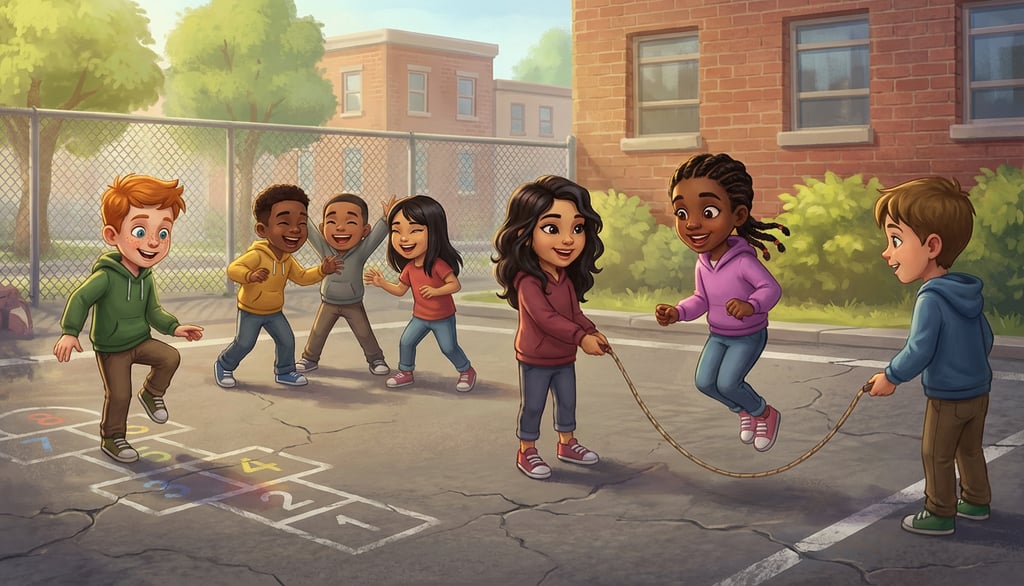
Kids don't need to be convinced to play. They want to play. And because they keep playing, they keep practicing, without even realizing it.
Building Stronger, Faster Pathways
The brain doesn't just need repetition, it needs varied repetition.
Every time a child uses a skill in a slightly different context, the brain strengthens that connection. It's like traveling the same destination from different directions. The route becomes more familiar. Easier to find. Faster to navigate.
Until one day, it's automatic.
How Phonic Forge Turns Practice Into Automaticity
This is exactly what Phonic Forge was built for.
Instead of the same task repeated the same way, kids move through multiple mini-games, each with different goals, different rules, and different ways of using the same skills. So they're not just repeating. They're building pathways that are stronger, faster, and more flexible.
And because it actually feels like playing? They come back for more.
The Real Goal: Reading With Understanding
At the end of the day, this isn't just about getting kids to recognize their letter sounds.
It's about helping them become readers.
Readers who move through words so quickly, its as if they know them by sight. Readers who understand what they're reading. Who have enough mental energy left over to actually think about what a story means.
Remember that brain budget ? Every step in reading has a cost. And if most of it is spent just getting through the letters, there's nothing left for the good stuff, the meaning, the connections, the aha moments.
When decoding becomes automatic, that cost drops. The budget opens back up. And suddenly, reading isn't just something a child can do, it's something they can actually enjoy.
Why Gamified Learning Works
Gamified learning solves both sides of the problem at once:
✔️ It creates the repetition needed to build automaticity
✔️ It keeps kids engaged enough to actually get that repetition
It turns practice into something meaningful, social, and sustainable, the kind of thing kids want to do again tomorrow. And that's how real progress gets made.
Questions? We're happy to help.
info@graphonicmnemonics.com
© Graphonic Mnemonics LLC | Privacy Policy | Terms & Conditions